

The advantages of a solar electric bike
- 23 Nov, 2024
- Home , Solar bike in practice
Why choose solar energy to charge your e-bike's battery?
Solar charging is naturally suited to the use of an electric bike for everyday commutes and leisure rides:
• Bikes are often parked and easily positioned to catch sunlight—whether on the street, in parking lots, courtyards, gardens, verandas, balconies, covered playgrounds, winter greenhouses, or bike garages.
• E-bikes are typically enjoyed in good weather when solar energy is most plentiful.
• The battery requires regular maintenance, and with the sun shining daily, a solar charger can effortlessly handle this.
• It's uncommon to fully drain the battery in a single day—except during longer trips— and even then, you can add more solar panels on the go.
• No need for power outlets—more independence, more freedom—and when it comes to bikes, that’s what matters!
Charging While Driving and When Stationary
The solar panel doesn't directly power the motor; instead, it charges the battery, which is the actual power source for the motor. When driving, as long as the battery's stored energy is sufficient to meet your range needs, there's no need for the solar panel to generate as much energy as the motor consumes. Solar charging while driving can help reduce battery depletion by approximately 15 to 30% with a 50W panel. It becomes especially beneficial during parking periods, as the energy generated each day is stored for later use, allowing the battery to recharge automatically and maintain optimal charge levels.
What is the range of an e-bike with a solar charger?
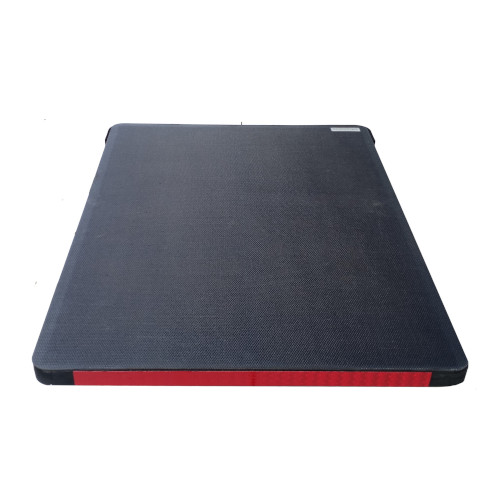
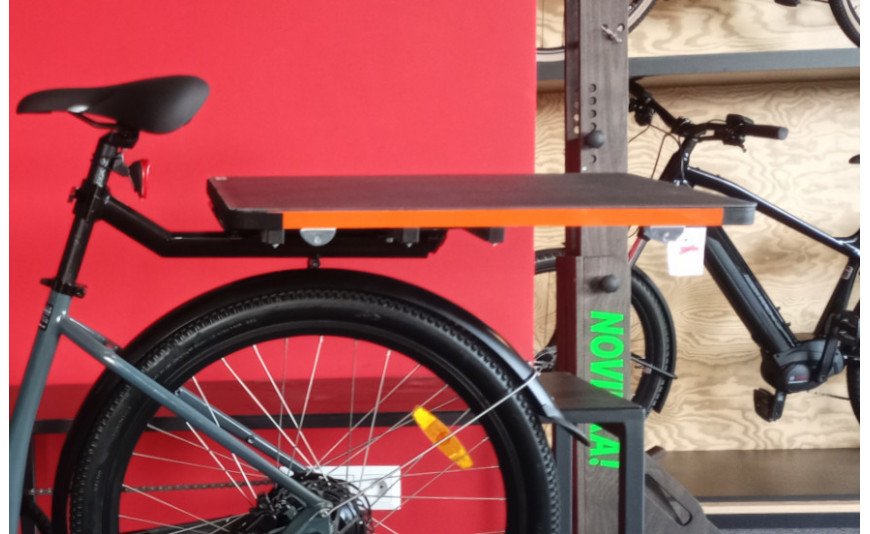
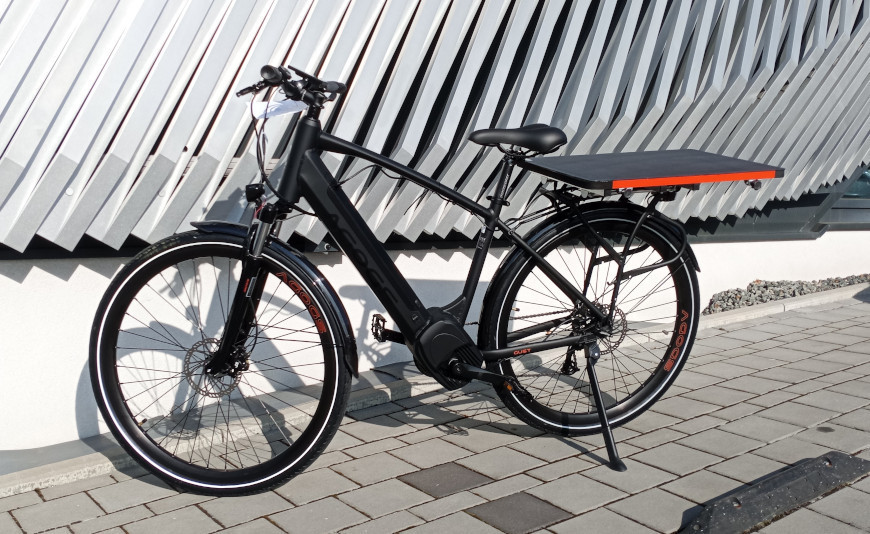
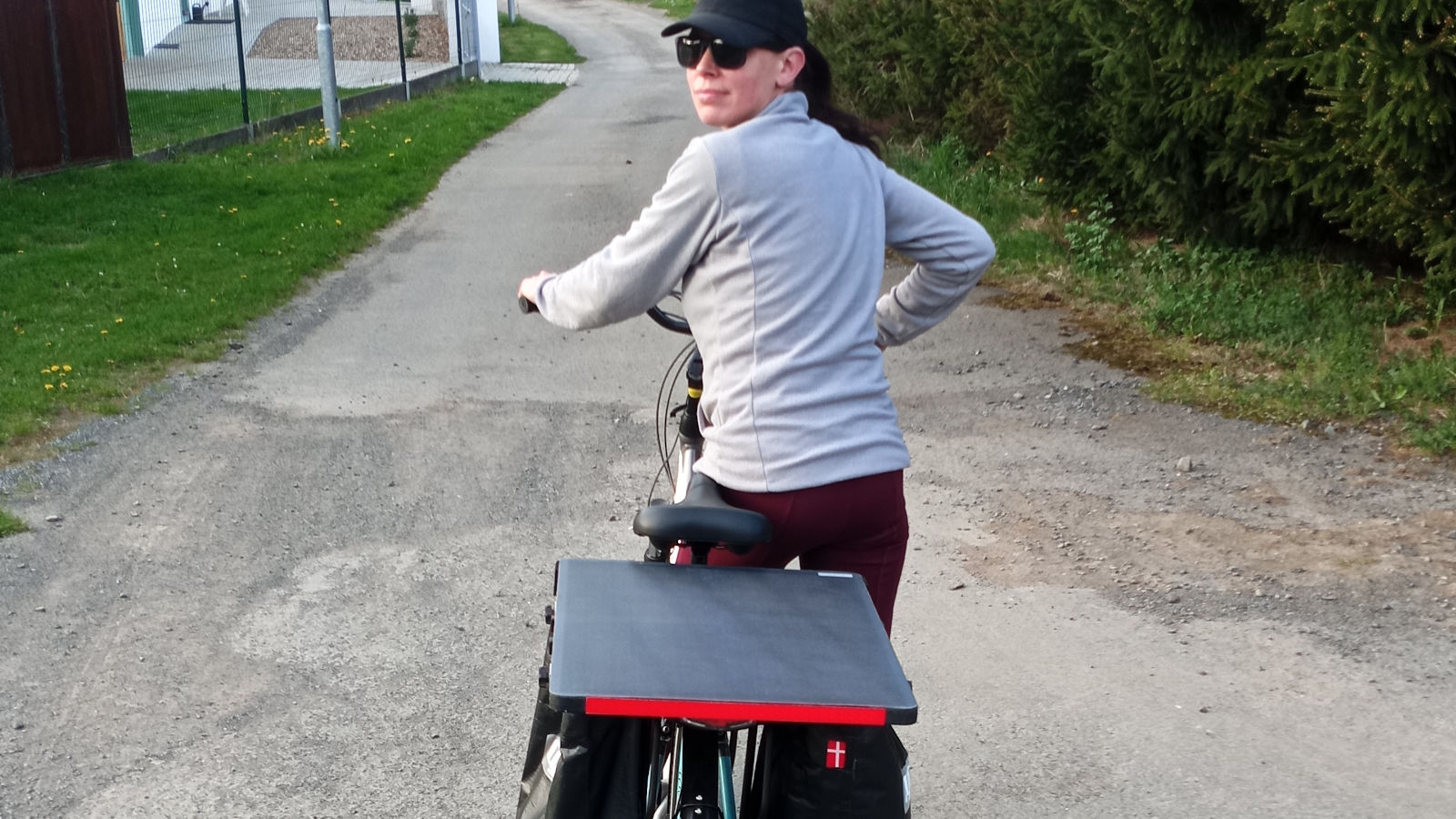
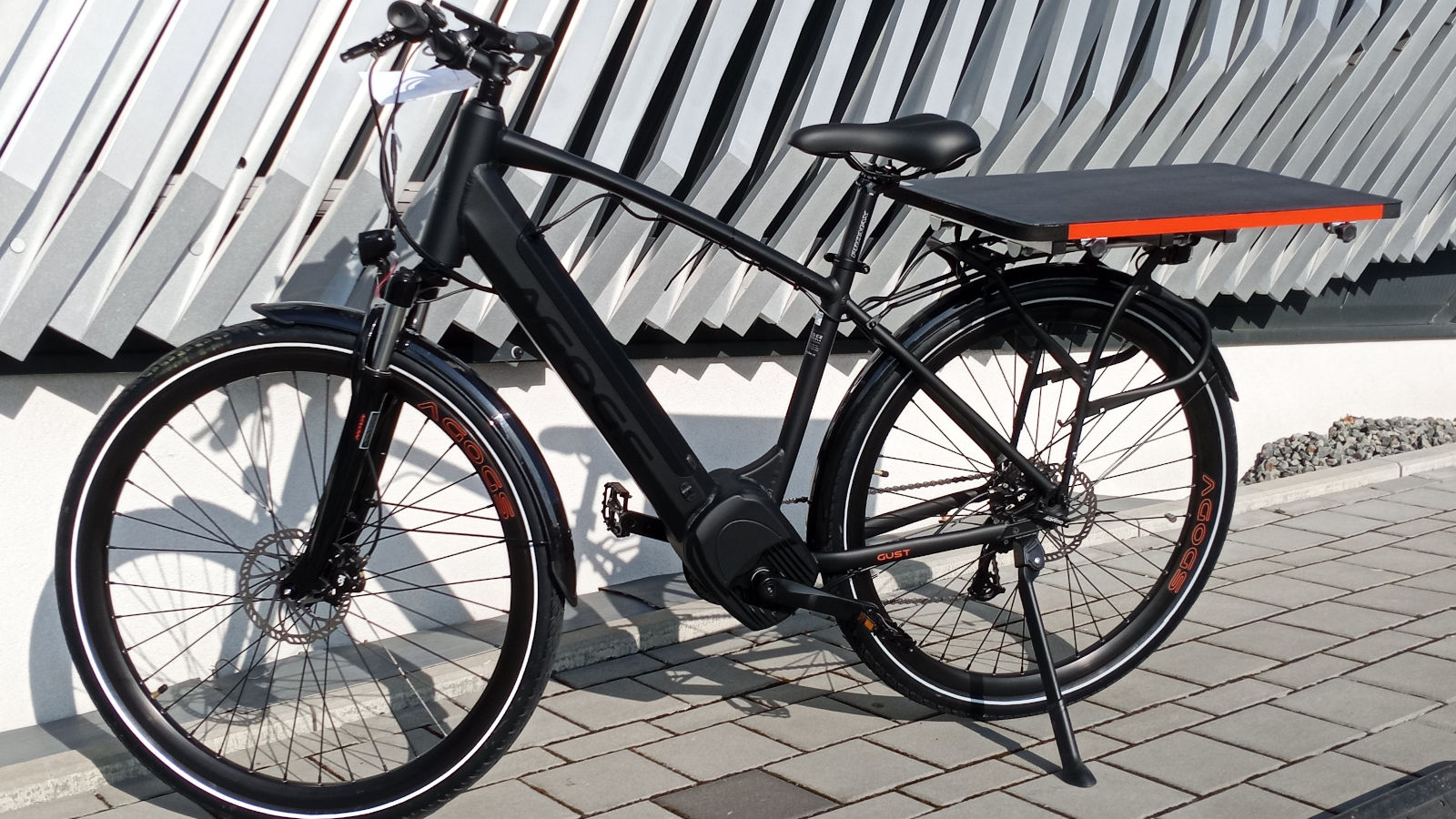
The CycloSun Surface solar charger attaches to the luggage rack or seat tube. The output of the 50W solar panel does not depend on the angle of inclination, as it is installed flat on the rear of the bike. Regardless of the direction in which the bike is traveling, the angle to the sun remains the same. When the cyclist is riding facing the sun, the solar panel can withstand partial shade and also captures diffused light.
Maximum output of the 50W CycloSun Surface solar charger in Wh/day
Source : https://re.jrc.ec.europa.eu/
Here is a table showing the average daily production (watts per hour) of the Surface 50W solar charger throughout the year, from southern to northern France. These measurements correspond to the actual production observed when the panel is exposed to sunlight all day.
|
|
Marseille |
Lyon |
Paris |
Lille |
|
January |
80 |
60 |
40 |
30 |
|
February |
130 |
100 |
80 |
70 |
|
March |
190 |
160 |
130 |
130 |
|
April |
250 |
220 |
200 |
200 |
|
May |
290 |
240 |
230 |
230 |
|
June |
310 |
260 |
250 |
240 |
|
July |
320 |
260 |
250 |
230 |
|
August |
280 |
230 |
210 |
190 |
|
September |
210 |
170 |
160 |
140 |
|
October |
140 |
110 |
100 |
80 |
|
November |
90 |
60 |
50 |
40 |
|
December |
70 |
50 |
40 |
30 |
Maximum additional range with the CycloSun 50W solar charger Surface area in km/day
Calculation basis: consumption of 7Wh/km
The following table shows the number of additional kilometers of range corresponding to the previous measurements in Wh/day. Unsurprisingly, solar production is low during the winter months (November to February), as is cycling, due to the cold and poor weather conditions. During the warmer months, solar production is more than sufficient to cover daily commutes and bike rides, providing an additional range of over 30 km/day, or more than 200 km/week.
|
|
Marseille |
Lyon |
Paris |
Lille |
|
January |
11 |
9 |
6 |
4 |
|
February |
19 |
14 |
11 |
10 |
|
March |
27 |
23 |
19 |
19 |
|
April |
36 |
31 |
29 |
29 |
|
May |
41 |
34 |
33 |
34 |
|
June |
44 |
37 |
36 |
34 |
|
July |
46 |
37 |
36 |
33 |
|
August |
40 |
33 |
30 |
27 |
|
September |
30 |
24 |
23 |
20 |
|
October |
20 |
16 |
14 |
11 |
|
November |
13 |
9 |
7 |
6 |
|
December |
10 |
7 |
6 |
4 |
Cyclists who travel less than 30 km per day on average during the summer and who use their bikes very occasionally or for very short distances in winter are 100% self-sufficient with solar energy, eliminating all the inconveniences associated with charging and maintaining the battery.
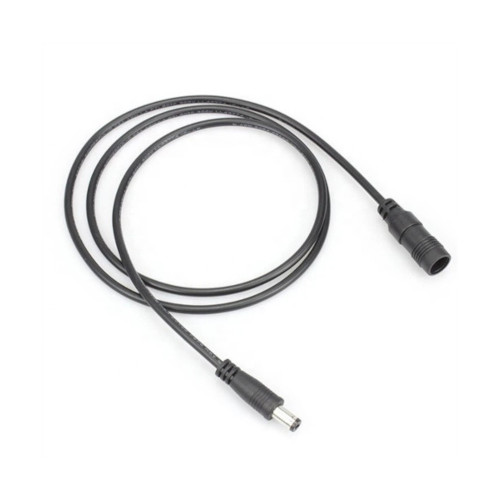
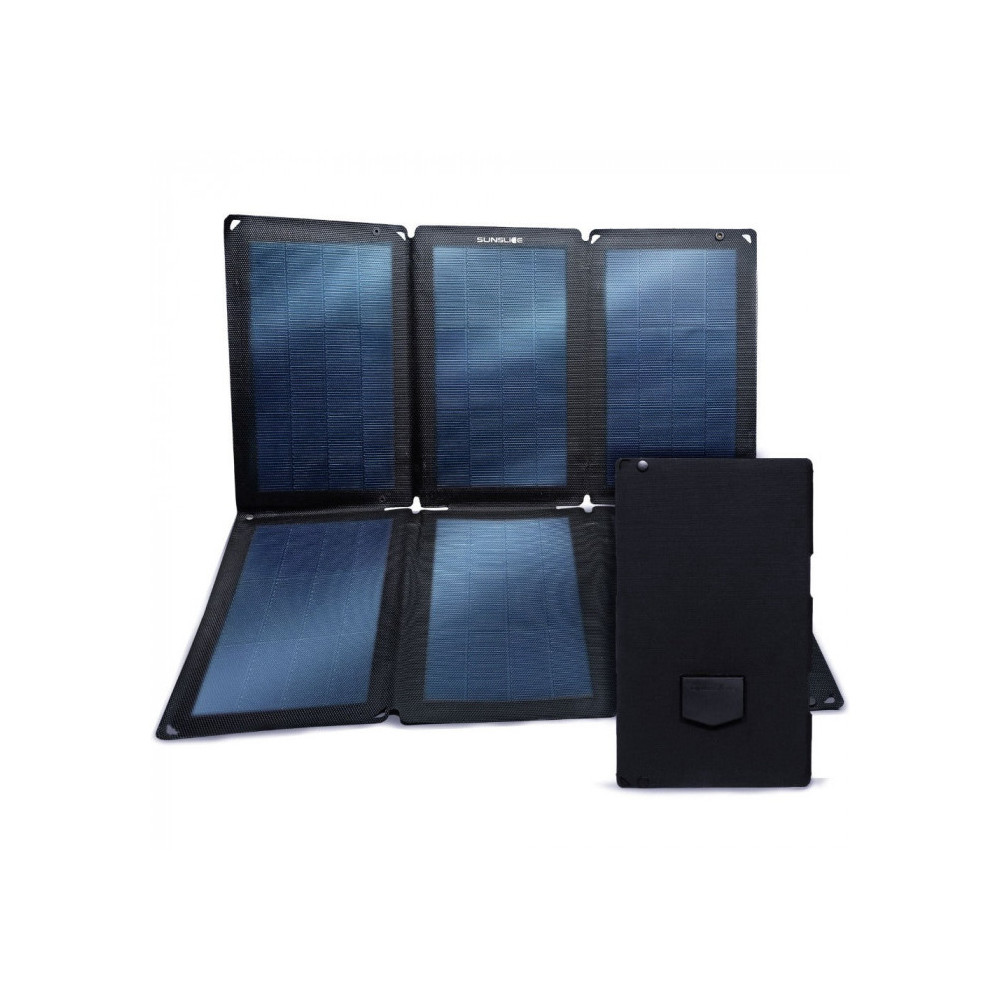
For cyclists who need more autonomy, CycloSun has provided an auxiliary socket on the Surface solar charger to connect an additional panel and double or triple the charging speed.
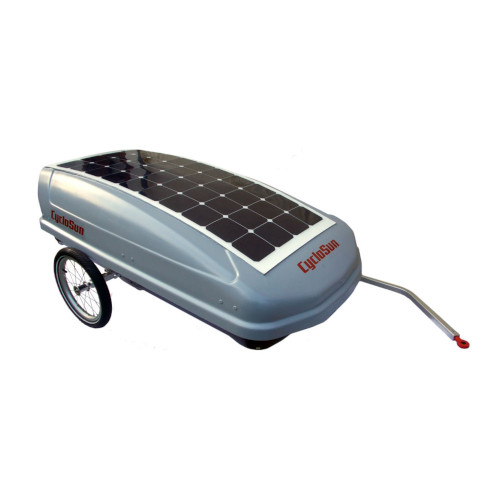
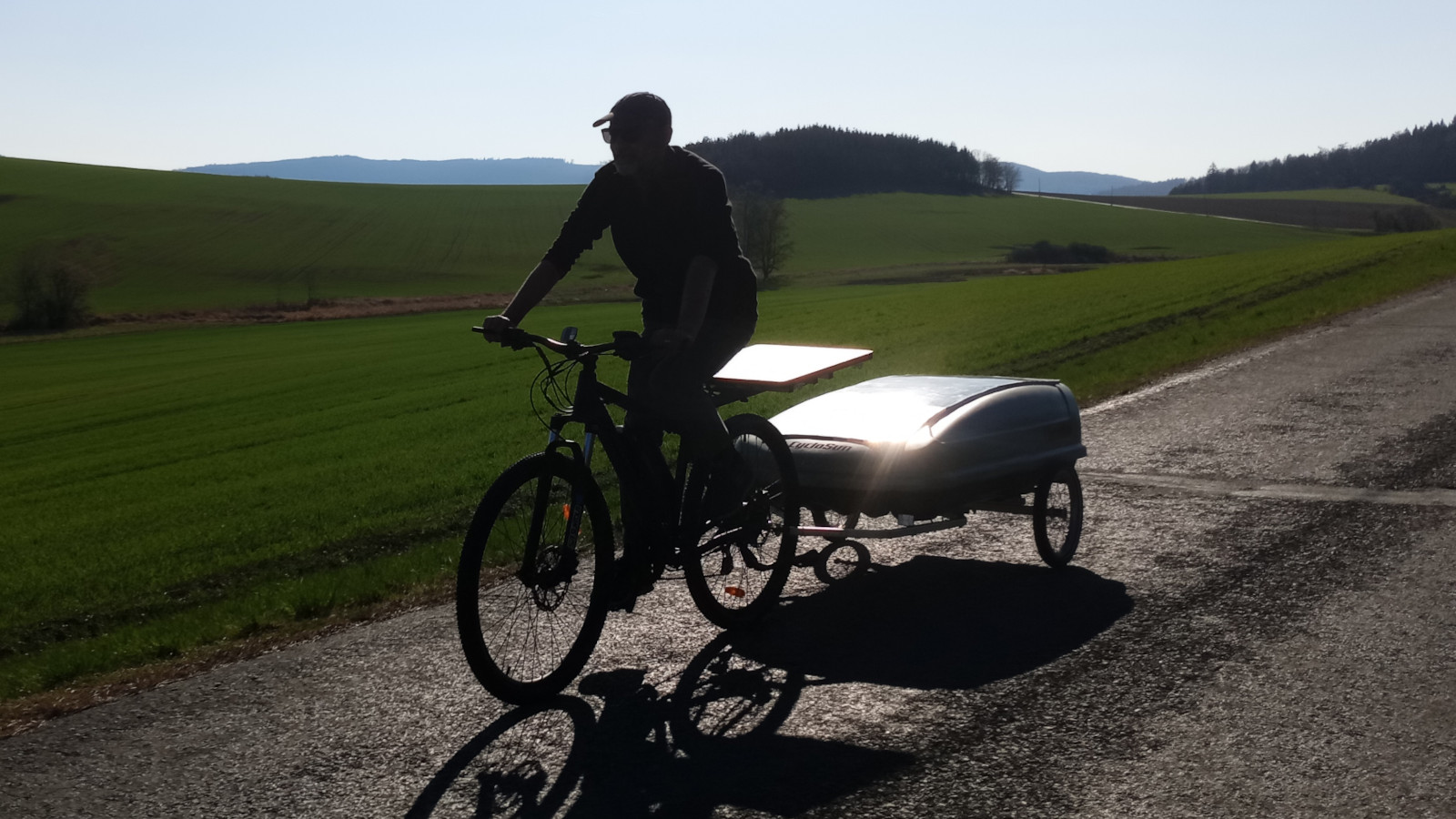
For travelers and adventurers, we have also designed the CycloSun Capsule 150W solar trailer, which offers three times more autonomy than the Surface solar charger, plus a waterproof storage compartment with a volume of 400 liters.
Maintenance of electric bike batteries
Battery maintenance requires constant attention to extend its life:
• It is best to recharge the battery frequently, ideally after each use.
• It is not recommended to leave the battery discharged for an extended period of time.
• The battery charge level should be maintained between 20% and 95%.
• Avoid completely discharging the battery.
The solar charger allows you to automatically charge and maintain the battery level all year round. At CycloSun, this is how we've been charging our electric bikes for over 10 years, 100% using solar energy: so why not you?
Discover CycloSun solar chargers
Discover CycloSun solar bikes